

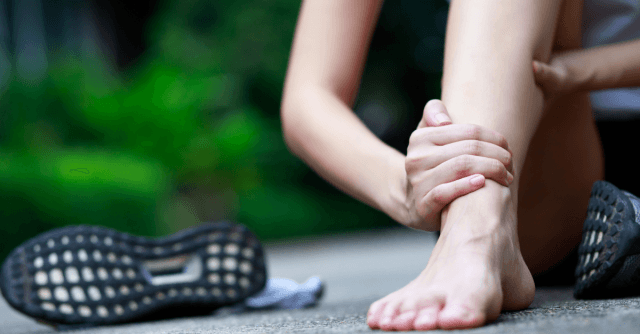
Running is one of the most popular forms of exercise. It's simple, requires minimal equipment, and offers tremendous cardiovascular and mental health benefits. However, it also puts significant stress on the feet and lower limbs, making runners especially prone to injuries like plantar fasciitis, shin splints, Achilles tendinitis, and stress fractures.
While investing in proper footwear and listening to your body are important, strengthening and stretching your feet with regular exercises can significantly reduce your risk of injury. Whether you're an experienced marathoner or a weekend jogger, incorporating foot exercises into your routine is one of the best ways to stay pain-free and perform at your best.
If you live in Massachusetts and struggle with foot pain or imbalances, you may also benefit from foot orthotics near Newburyport in combination with a solid foot-strengthening plan.
Why Foot Health Matters for Runners
Walking is based on your feet. Every step you make during running creates the kind of force that is three times that of your bodily weight. When your feet are weak, rigid, and malaligned, the effects can cause chronic pains and injuries and even stretch to your knees, hips, and lower back.
Most runners tend to concentrate on either the legs or cardiovascular endurance but tend to ignore their feet. However, the minor internal fascia muscles of the foot are important in stability, shock absorption, and equilibrium.
By strengthening these muscles and increasing flexibility, you help them by providing improved mechanics and minimizing stress on other joints and tissues. The result? More effective running and fewer injuries.
Essential Foot Exercises for Runners
Here are some simple, effective exercises to add to your weekly routine. Aim to perform these 3–4 times a week, especially after running or on rest days.
1. Toe Curls with a Towel
- Purpose: Strengthens the arch and small foot muscles.
- How to Do It: Place a small towel on the floor. While seated, place your bare foot flat on the towel and try to scrunch it toward you using your toes. Repeat 10–15 times per foot.
2. Marble Pickups
- Purpose: Develop a sense of dexterity and make toes and arches strong.
- Ways to Do It: Write 10-15 marbles on the floor. Take and place one marble at a time using your toes into a cup. Play two-footed.
3. Toe Spreading
- Purpose: Strengthens muscles in the small toes.
- Ways to Do It: When seated and standing, keep yourself still but attempt the widening of your toes. Hold for 5 seconds and repeat 10 times. This can be difficult initially, and it will become easier with practice.
4. Heel Raises
- Purpose: Tightens the calves, the foot stabilizers.
- Ways to Do It: Posture with your feet wide enough apart that they are at your hips. Slowly raise your heels and hold them up while counting 2-3 sec., and lower them. Perform 3 sets of 10–15 reps. To make it even harder, do them one foot at a time.
5. Ankle Alphabet
- Purpose: Improves ankle mobility and range of motion.
- How to Do It: Sit on a chair or lie down and lift one foot off the floor. Use your big toe to “write” the alphabet in the air. Switch feet and repeat.
Stretching is Just as Important
Tight foot muscles can contribute to injury just as much as weak ones. Here are two key stretches to help maintain flexibility:
1. Plantar Fascia Stretch
- Sit down and cross one leg over the other.
- Grab your toes and gently pull them back toward your shin until you feel a stretch along your arch.
- Hold for 20–30 seconds and repeat 3 times.
2. Calf Stretch (Wall)
- Stand facing a wall with one foot in front of the other.
- Keep your back leg straight and heel down as you lean forward.
- Hold for 30 seconds and switch sides.
When to Consider Foot Orthotics
Although foot exercises help all types of runners, at times, they are not enough, particularly when you have a flat feet problem, a problem with high-arched feet, or you experience foot pain. Orthotics is where it comes in.
Newburyport custom orthotics are able to align your feet, improve your walking pattern, relieve pressure on joints and avoid injuries. They can be used very effectively with physical therapy and a planned foot exercise program.
It is time to be checked up when you experience the same pain even after using the correct shoes and after exercises. Your foot mechanics and the appropriate orthotics to accommodate you during your stride can be judged by physical therapists and specialists in the Newburyport area.
Tips for Injury-Free Running
In addition to doing foot exercises and considering orthotics, here are a few extra tips to protect your feet while running:
- Wear proper running shoes: Choose shoes that suit your foot type and running style.
- Replace shoes regularly: Running shoes lose support after 300–500 miles.
- Warm-up and cool-down: Don't skip stretches and post-run care.
- Progress gradually: Avoid increasing your mileage or speed too quickly.
- Listen to your body: take rest days and don't push through pain.
Conclusion
To avoid running injuries, there is no need to use some fancy equipment or change something dramatically; it begins with paying attention to your feet. Stretching and doing regular foot exercises, as well as the option of foot orthotics in the area of Newburyport, will help you to be better prepared to run and minimize some of the most typical injuries.
And the next time you put on your runners, you ought to bear in mind that your feet should get a training as well as your legs.